We keep car receipts ... but barely track £50m portfolios
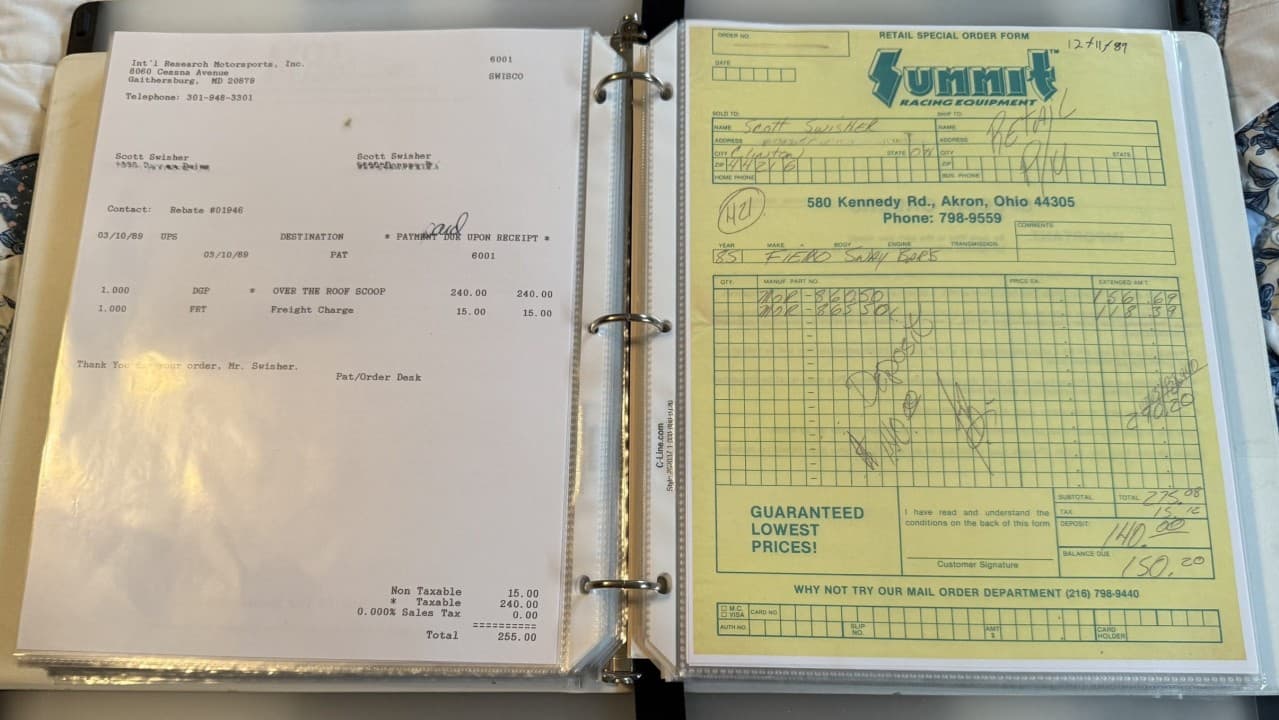
People will keep every receipt for a car worth £18,000 ... then run a £50 million property portfolio with reporting they barely trust and data they rarely use.
We will obsess over the service history of a car, but the income, costs, compliance position and operational performance of a major real estate asset base ... that can apparently live in disconnected spreadsheets, inboxes and people’s heads.
It is a strange contradiction - to us Cleverly, explained only by how difficult it has historically been to easily log and monitor real estate operations.
Because if you own or operate a real estate portfolio, the value is not just in the buildings.
It is in the quality of the income.
It is in the predictability of the costs.
It is in the control of the operations.
It is in the visibility of what is actually going on.
And (for the owners) ultimately ... it is in the NOI.
That matters because small changes in NOI do not just have a small impact. Through cap rates, they can have a very material effect on portfolio value.
Let’s take a simple example:
A portfolio producing £2.5m of NOI at a 5% cap rate implies a value of £50m.
Improve NOI by just 5%... taking it to £2.625m... and suddenly, at the same cap rate, the implied value becomes £52.5m.
That is £2.5m of additional value created from a £125k improvement in annual operating income.
Not bad for better grip on service charge leakage, contractor spend, void costs, energy usage, compliance risk, rent collection friction or maintenance inefficiencies.
And of course the reverse is true too.
Poor visibility, slow reporting and weak operational control do not just create admin problems.
They quietly erode value.
A few missed recoveries here; a little overspend there ... a delayed issue that becomes a major one. An occupier experience that declines. An asset that performs below its potential for just long enough that everyone gets used to it.
This is where the real issue lies ...
Many organisations do document performance, in some form.
But they do not do enough with it.
The data exists, but it is retrospective.
Available, but awkward.
Recorded, but not operationalised.
They have information ... but not insight.
Reports ... but not action.
Systems ... but not usage.
And that is rather like keeping every receipt for your car in a neat folder ... while never actually servicing the engine.
The opportunity is not just to document what happened.
It is to use that information to influence what happens next.
Where are costs drifting?
Which assets are underperforming operationally?
What issues are repeating?
Which suppliers are helping NOI and which are quietly hurting it?
Where is asset performance being dragged down by avoidable friction?
These are not academic questions.
They are value questions.
Real estate businesses spend a lot of time thinking about acquisitions, disposals, financing and leasing strategy ... and rightly so.
But sometimes the fastest route to improving value is not something dramatic.
It is simply better operational visibility, followed by action.
More attention to how the portfolio is actually performing.
More discipline in documenting the right things.
And most importantly, more use of that information in day-to-day decision making.
Because if a stack of stamped invoices can help preserve the value of a family car ...
Surely a £50 million portfolio deserves at least the same respect.
#realestate #propertymanagement #assetmanagement #facilitiesmanagement #noi #proptech #productivity #workingcleverly
Ready to modernise your FM operations?
See how Cleverly can automate your workflows and improve compliance.
Related articles

What the hell is tokenomics? Let's talk HEWYs ...
Let's see if we can't make HEWYs a thing ... because tokenomics is not exactly tip of everyone's tongue.

Construction productivity is stuck in the 1990s. Don't let FM follow
Construction productivity has declined since the 1990s. How to avoid the same happening in facilities management.

What does 2026 mean for facilities management (FM)?
2026 is going to accelerate a number of trends within FM. Reduced budgets, the increased need for data to make decisions and an AI in every office.